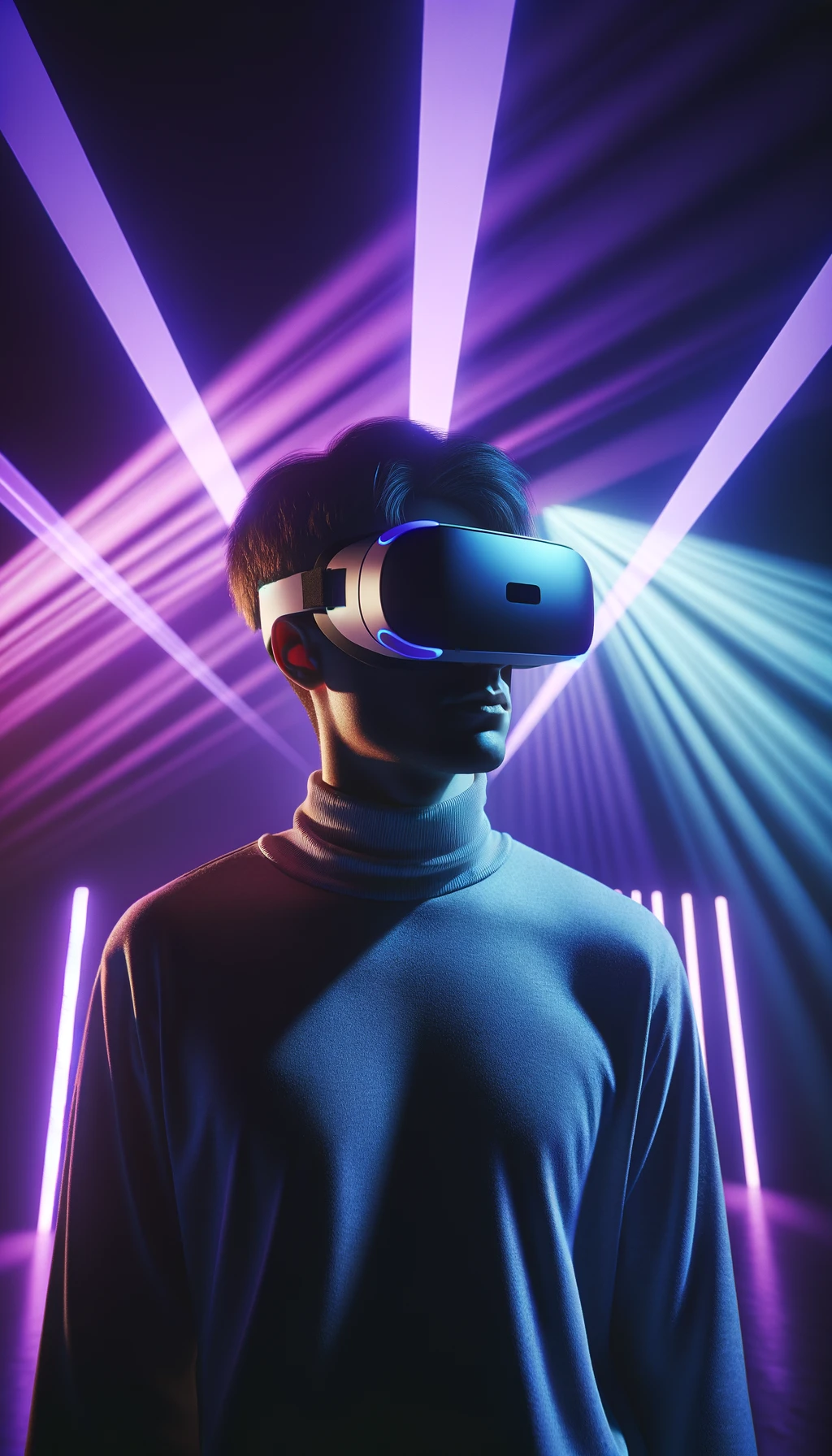
In recent years, augmented reality (AR) and virtual reality (VR) technologies have evolved from niche novelties to powerful tools with wide-ranging applications across various industries. From immersive entertainment experiences to practical business solutions, AR and VR are transforming the way we work, learn, and interact with the world around us. In this blog post, we’ll shine a spotlight on the advancements of AR and VR in various industries and explore the innovative ways these technologies are being utilized.
-
Entertainment and Gaming:
In the entertainment industry, AR and VR are revolutionizing the way we experience content. From immersive VR gaming experiences to interactive AR storytelling, these technologies are pushing the boundaries of entertainment and creating new opportunities for engagement. With VR headsets and AR-enabled devices becoming more accessible, consumers can now experience movies, concerts, and events in entirely new ways.
-
Education and Training:
AR and VR have tremendous potential in the field of education and training. Virtual reality simulations allow students to explore historical landmarks, conduct science experiments, and even perform surgical procedures in a safe and controlled environment. Augmented reality, on the other hand, enhances traditional learning materials by overlaying digital information onto the physical world, making learning more interactive and engaging.
-
Healthcare and Medicine:
In healthcare, AR and VR technologies are being used to revolutionize patient care, medical training, and surgical procedures. Surgeons can now practice complex operations in virtual environments before performing them on patients, reducing the risk of errors and improving outcomes. AR-assisted surgeries provide real-time guidance and visualization, enhancing precision and efficiency in the operating room.
-
Architecture and Design:
AR and VR are transforming the way architects and designers visualize and communicate their ideas. Virtual reality enables stakeholders to experience architectural designs in 3D, allowing for better collaboration and decision-making. Augmented reality applications allow users to overlay digital models onto physical spaces, providing a realistic preview of how designs will look and feel in real-world environments.
-
Retail and E-commerce:
In the retail industry, AR and VR technologies are enhancing the shopping experience and driving sales. Virtual try-on experiences allow customers to visualize products in their own homes before making a purchase, reducing returns and increasing customer satisfaction. Augmented reality applications enable retailers to create interactive product demonstrations and immersive shopping experiences, bridging the gap between online and offline shopping.
-
Tourism and Hospitality:
AR and VR are transforming the tourism and hospitality industry by offering immersive experiences that transport users to different destinations around the world. Virtual reality tours allow travelers to explore hotels, resorts, and attractions before booking their trips, while augmented reality applications provide interactive guides and information overlays that enhance the travel experience.
The advancements in augmented reality (AR) and virtual reality (VR) technologies are driving innovation and transforming industries across the board. From entertainment and education to healthcare and retail, AR and VR are revolutionizing the way we work, learn, and interact with the world around us. As these technologies continue to evolve and become more accessible, the possibilities for their application are limitless, offering new opportunities for growth, efficiency, and creativity in various industries.